
Rhaphidophora Care Guide: Easy Tips for Growing Tropical Houseplants
Looking for a tropical houseplant with unique leaves and an interesting growth habit? Rhaphidophora plants are a great choice! From the popular Mini Monstera to the unusual Rhaphidophora hayi, these plants come in a variety of shapes and sizes that can add something special to your plant collection.
The best part? Many Rhaphidophora varieties are fairly easy to care for once you know what they need.
In this Rhaphidophora care guide, we'll cover everything you need to know to keep your plant happy and healthy, including lighting, watering, humidity, soil, propagation, and common problems. Whether you're new to houseplants or have a growing tropical collection, these simple tips will help you get started.
What Is a Rhaphidophora Plant?
Rhaphidophora is a group of tropical plants related to Monstera, Philodendron, and Alocasia. They're known for their interesting foliage and climbing growth habits.
In nature, many Rhaphidophora plants climb trees and other surfaces using their aerial roots. You can encourage this same growth indoors by giving your plant a moss pole or another type of support.
There are also shingling varieties that grow flat against a surface, with their leaves overlapping as they climb. This makes Rhaphidophora a fun group of plants to collect, especially if you enjoy unusual tropical foliage.
Popular Rhaphidophora Varieties
Here are a few varieties you might want to add to your indoor jungle.
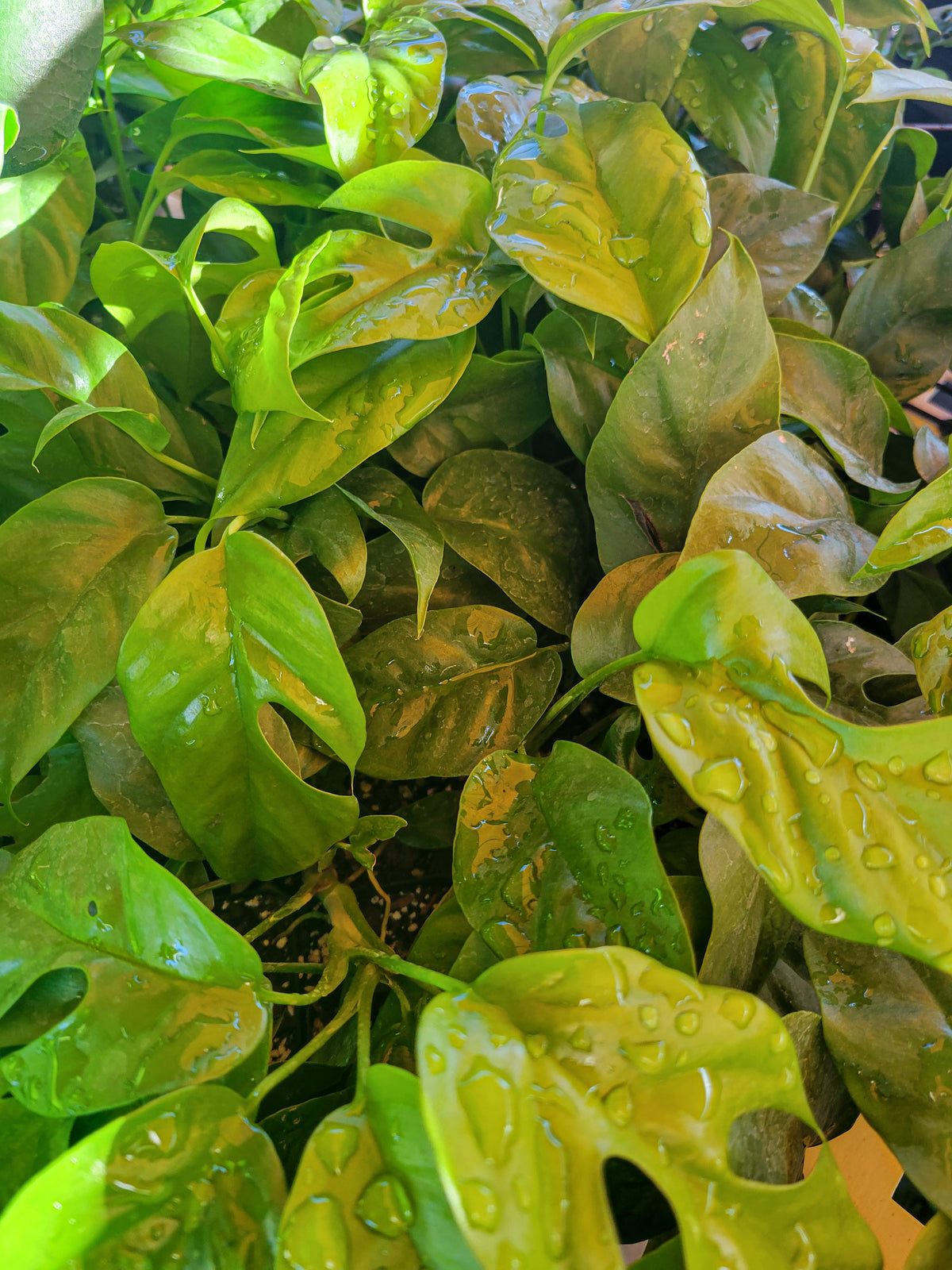
- Rhaphidophora tetrasperma: Often called Mini Monstera, this plant has green leaves with splits that resemble those of a Monstera deliciosa.
- Rhaphidophora decursiva: Known for its long, glossy leaves that develop deep splits as the plant matures.
- Rhaphidophora hayi: A shingling plant with rounded leaves that overlap as they grow along a flat surface.
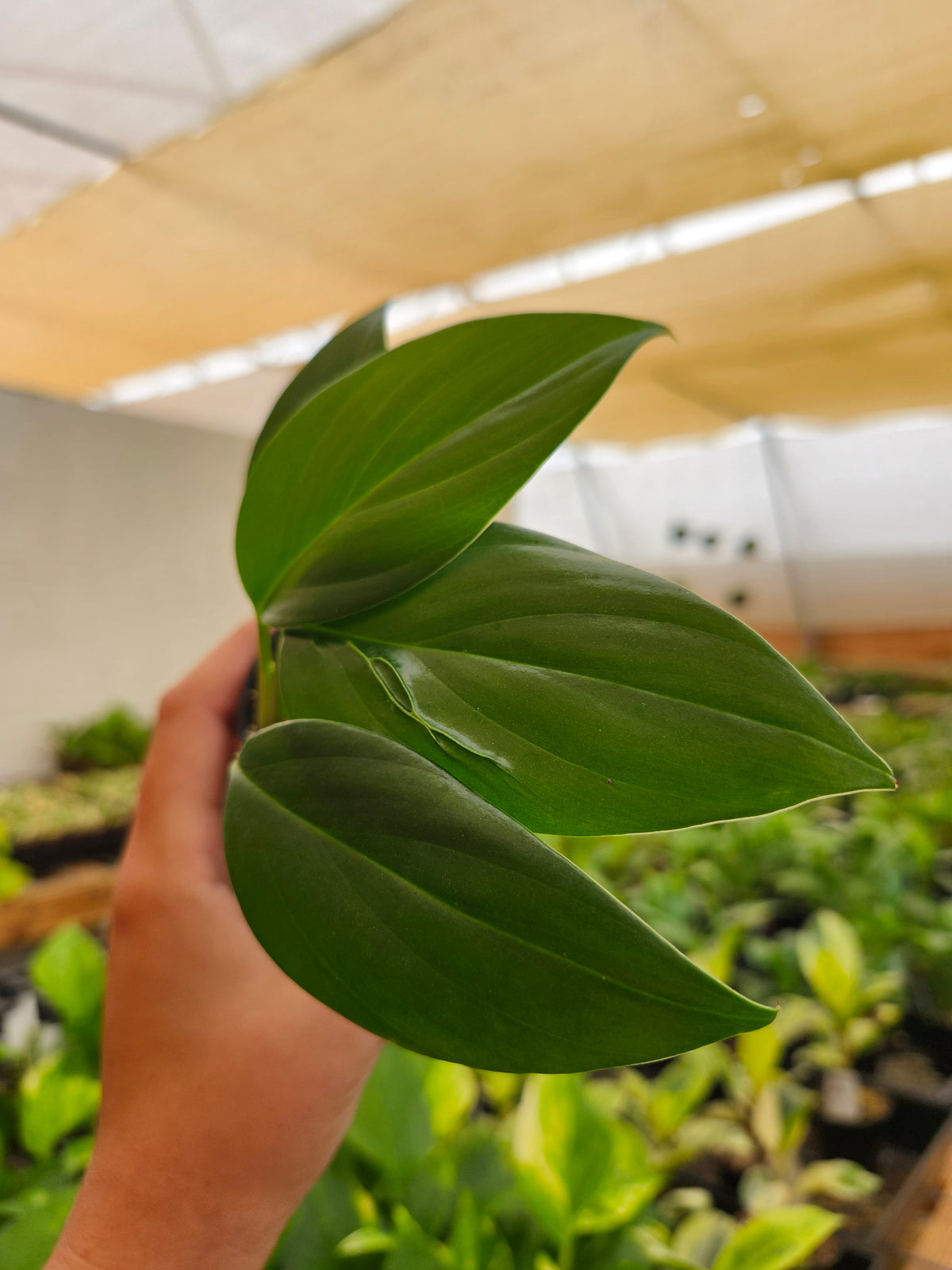
- Rhaphidophora Hongkongensis: Known for its elongated, deep green leaves with a smooth, glossy finish and distinct veining.
Although these plants look different, most enjoy similar growing conditions.
Rhaphidophora Care at a Glance
Here's a quick overview of what your plant needs to grow well.
- Light: Bright, indirect light
- Water: Water when the top 1–2 inches of soil feel dry
- Humidity: Moderate to high humidity
- Temperature: 65–85°F
- Soil: Loose, well-draining potting mix
- Fertilizer: Balanced houseplant fertilizer during spring and summer
- Support: A moss pole or board for climbing varieties
- Propagation: Stem cuttings with at least one node
Now, let's look at each part of Rhaphidophora care in more detail.
How Much Light Does Rhaphidophora Need?
Rhaphidophora plants grow best in bright, indirect light. A spot near a window is usually a good choice, as long as the leaves aren't exposed to strong sunlight for long periods.
Good lighting helps your plant grow new leaves and maintain healthy foliage. Climbing varieties may also develop larger leaves as they mature when they receive enough light.
Too little light can slow growth and cause smaller leaves. Too much direct sunlight can burn the foliage, leaving brown or pale patches.
Easy lighting tips:
- Place your plant near a bright window.
- Use a sheer curtain to soften strong sunlight.
- Rotate the pot occasionally so the plant grows evenly.
- Use a grow light if your home doesn't get much natural light.
- If your plant isn't growing much, try moving it to a brighter spot before changing anything else.
How Often Should You Water Rhaphidophora?
Rhaphidophora plants like regular watering, but they don't like sitting in soggy soil. Too much water can damage the roots and lead to root rot.
The easiest way to know when to water is to check the soil. If the top 1–2 inches feel dry, it's usually time to give your plant a drink.
When watering, soak the soil thoroughly until water runs out of the drainage holes. Let the excess water drain away instead of leaving the pot sitting in water.
Your plant may need more frequent watering during spring and summer when it's actively growing. In fall and winter, you may not need to water as often.
Signs You're Overwatering
Watch for these common signs:
- Yellowing leaves
- Soil that stays wet for too long
- Drooping leaves even when the soil is moist
- Soft or mushy roots
If you notice these problems, check the soil and make sure your pot has drainage holes.
Signs Your Plant Needs Water
If your Rhaphidophora is too dry, you may notice:
- Drooping or curling leaves
- Very dry soil
- Crispy leaf edges
Always check the soil before watering. Drooping leaves can be caused by too much water as well as too little.
What Humidity Does Rhaphidophora Need?
Since Rhaphidophora plants come from tropical environments, they appreciate humidity. Many varieties can grow in a typical home, but they may do even better when the air isn't too dry.
A humidity level around 50–70% is a good goal for many varieties, especially shingling types such as Rhaphidophora hayi.
If your home has dry air, here are a few things you can try:
- Use a humidifier: This is one of the easiest ways to increase humidity.
- Group your plants together: Keeping plants close together may help create a slightly more humid area.
- Check humidity levels: A small hygrometer can help you see how humid the room is.
Misting your plant won't raise humidity for very long, so a humidifier is usually a better choice.
Good airflow is important, too. You want your plant to enjoy the extra humidity without its leaves staying wet for long periods.

What Temperature Is Best for Rhaphidophora?
Rhaphidophora plants prefer warm temperatures and usually do well between 65°F and 85°F.
Keep your plant away from cold drafts, air-conditioning vents, and sudden temperature changes. These tropical plants don't do well when exposed to cold for extended periods.
If you keep your plant outdoors during warm weather, bring it inside before temperatures drop. Check for pests before placing it near your other houseplants.
What Soil Is Best for Rhaphidophora?
The best soil for Rhaphidophora is loose and well-draining. The roots need some moisture, but they also need air to stay healthy.
A chunky aroid potting mix works well for most varieties. You can make your own using:
- Potting soil or coco coir: Helps hold moisture.
- Orchid bark: Keeps the mix loose and airy.
- Perlite or pumice: Helps excess water drain away.
The goal is to keep the soil from becoming too compact or staying wet for too long.
Always use a pot with drainage holes. If your plant's roots are filling the pot or the soil isn't draining well anymore, it may be time to repot.
Choose a pot that's only slightly larger than the current one. A pot that's too big can hold more moisture than the roots can use.


Does Rhaphidophora Need a Moss Pole?
Many Rhaphidophora varieties are natural climbers, so they appreciate having something to grow on.
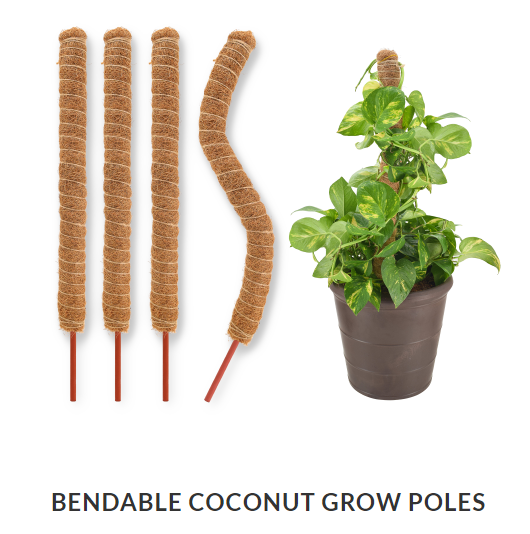
A moss pole, coco coir pole, or wooden board gives the stems a place to attach as the plant grows. This is especially helpful for Rhaphidophora tetrasperma and Rhaphidophora decursiva.
With good light and proper care, climbing plants may develop larger leaves as they mature. A moss pole can help support this growth, although it doesn't guarantee larger leaves on its own.
Shingling varieties, such as Rhaphidophora hayi and Rhaphidophora cryptantha, prefer to grow closely against a surface. A flat board can work well for these plants.
Use soft plant ties to guide your plant onto its support, but don't tie the stems too tightly.
Prefer a trailing plant? Some Rhaphidophora varieties can also grow from a hanging planter or shelf.
How to Fertilize Rhaphidophora
Fertilizer can help your Rhaphidophora produce healthy leaves and new growth during the growing season.
Use a balanced liquid houseplant fertilizer during spring and summer. Follow the instructions on the label, and don't use more than recommended.
For many plants, feeding about once every four weeks is a reasonable starting point, depending on the fertilizer you're using.
When growth slows in fall and winter, reduce feeding or stop if your plant isn't actively growing.
Remember, fertilizer won't fix problems caused by poor lighting or overwatering. Make sure your plant's basic needs are covered first.

How to Propagate Rhaphidophora
Want to grow another Rhaphidophora from the plant you already have? Propagation is a simple way to get started.
Many climbing varieties can be propagated using stem cuttings. The important thing is to make sure your cutting includes at least one node. A node is the part of the stem where a leaf or aerial root grows. A leaf without a node generally won't grow into a new plant.
You can root cuttings in water or sphagnum moss.
Propagating Rhaphidophora in Water
- Choose a healthy stem with at least one node.
- Use clean scissors or pruning shears to cut just below the node.
- Place the cutting in a container of water, keeping the node underwater and the leaves above the surface.
- Keep it in a warm spot with bright, indirect light.
- Change the water regularly and watch for new roots.
- Once the roots are well developed, move the cutting into a pot with well-draining soil.
Keep the soil lightly moist while the new roots adjust to their new home.
Propagating Rhaphidophora in Sphagnum Moss
You can also root cuttings in lightly damp sphagnum moss.
Place the node in the moss and keep it somewhere warm with bright, indirect light. The moss should stay moist without becoming soggy.
Check the cutting for new roots and signs of rot. Once the roots are established, transfer it to a suitable potting mix.
Some cuttings take longer to root than others, so be patient and give yours time to grow.


Common Rhaphidophora Problems
Even with good care, you may run into a few problems along the way. Here's what to look for and how to help your plant.
Yellow Leaves
Yellow leaves are often caused by overwatering or poor drainage. If several leaves turn yellow at once, check the soil to see if it's staying wet for too long.
Make sure excess water can drain away, and check the roots if your plant continues to decline. An older leaf turning yellow occasionally can also be part of normal plant growth.
Brown or Crispy Leaves
Brown leaf edges can happen when the air is too dry, watering is inconsistent, or fertilizer has built up in the soil. Strong direct sunlight can also burn the leaves.
Check your plant's location and watering routine. If the air is dry, try increasing humidity.
The damaged parts won't turn green again, but new growth should look healthier once the problem is corrected.

Drooping Leaves
Drooping leaves can mean your plant needs water, but they can also be a sign of overwatering.
Check the soil first. If it's dry, water thoroughly. If it's still wet, wait before watering again and check that the pot drains properly.
Slow Growth
Rhaphidophora may grow more slowly during fall and winter. If your plant isn't growing much during spring or summer, it may need more light or better growing conditions.
Try moving it to a brighter spot with indirect light. Make sure the roots are healthy and consider feeding it if it's actively growing.
For climbing varieties, give the plant something to climb and allow it time to mature.
Pests
Like other houseplants, Rhaphidophora can sometimes attract spider mites, thrips, and mealybugs.
Check under the leaves and along the stems for tiny insects, webbing, sticky spots, or unusual leaf damage.
If you find pests, move the plant away from your other plants and use a treatment labeled for the specific pest and for indoor houseplants. Follow the product instructions and repeat tr eatment as directed.
Checking your plants regularly can help you catch pest problems early.


Frequently Asked Questions About Rhaphidophora Care
Is Rhaphidophora Easy to Care For?
Yes! Many varieties are fairly easy to grow indoors. They need bright, indirect light, careful watering, warm temperatures, and well-draining soil.
Can Rhaphidophora Grow in Low Light?
They can tolerate medium light, but bright, indirect light is better. Too little light can lead to slow growth and smaller leaves.
Does Rhaphidophora Need Direct Sunlight?
No. Bright, indirect light is best for most varieties. Strong direct sunlight can burn the leaves.
How Fast Does Rhaphidophora Grow?
Growth depends on the variety and growing conditions. Many plants grow faster during spring and summer and slow down during cooler months.
Does Rhaphidophora Need a Moss Pole?
Climbing varieties benefit from a moss pole or another type of support. Shingling varieties often do better with a flat board or surface to grow against.
Why Are My Rhaphidophora Leaves Not Splitting?
Some varieties develop split leaves as they mature. If your plant isn't producing the leaf shape you expected, check that it's getting enough light and give it time to grow.
When Should I Repot Rhaphidophora?
Repot when the roots fill the pot, the soil stops draining well, or the plant dries out much faster than usual. Choose a pot only slightly larger than the current one.
Final Thoughts on Rhaphidophora Care
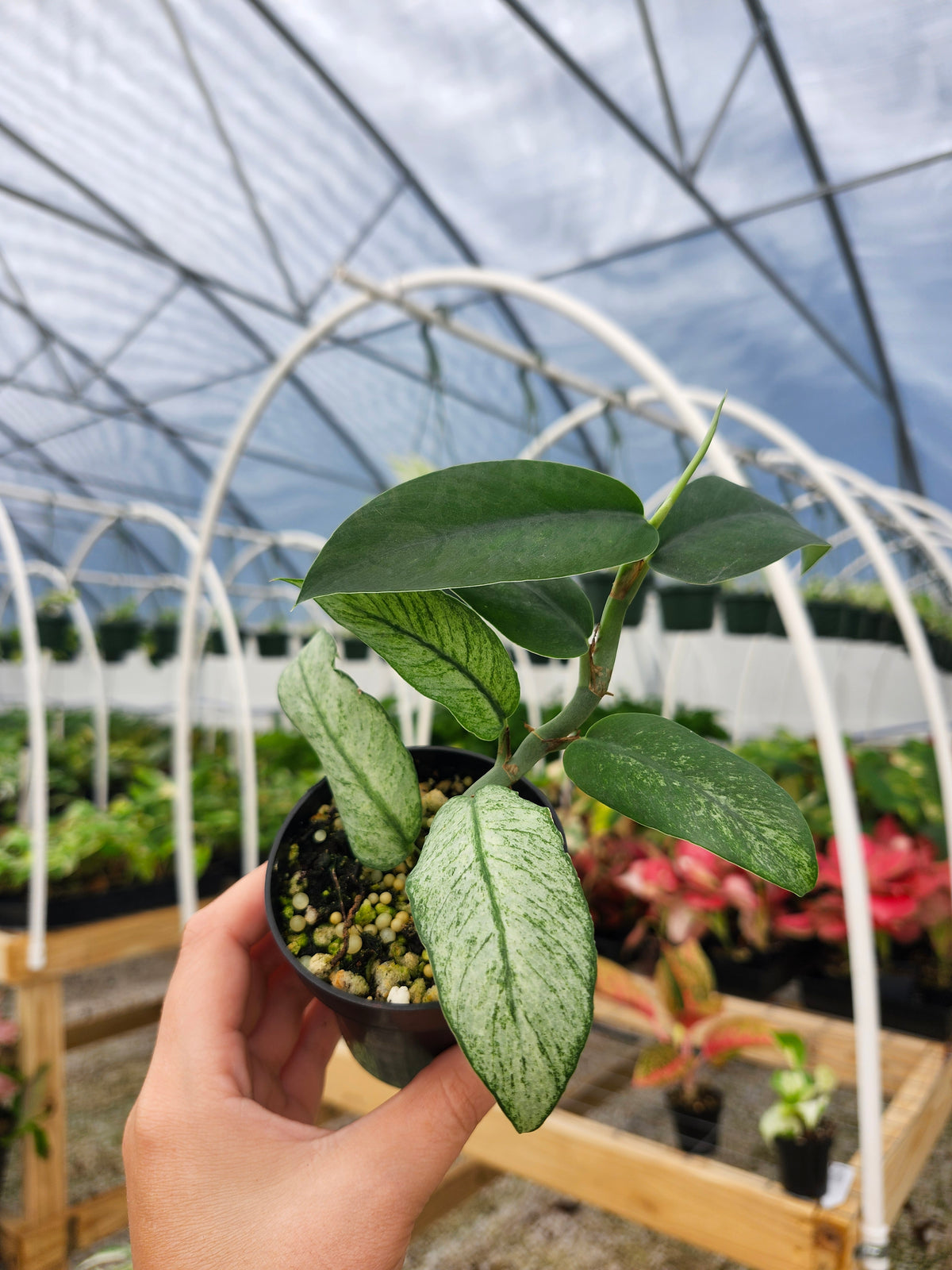
Rhaphidophora plants are a great way to add tropical foliage to your home. Whether you love the split leaves of Mini Monstera or the unusual look of a shingling variety, there's plenty to enjoy about these plants.
The basics are simple: give your plant bright, indirect light, water when the soil starts to dry, and use a well-draining potting mix. Keep it warm, provide extra humidity when needed, and give climbing varieties something to grow on.
Don't worry if it takes a little time to find the right routine. Every home is different, and your plant may need a few adjustments along the way.
With a little patience and consistent care, your Rhaphidophora can become a beautiful addition to your indoor jungle.


Leave a comment