
Epipremnum Care Guide: A Complete Growers Guide For Beginners
Looking for a tropical houseplant that's easy to grow and looks great in your home? Epipremnum is a great choice! These plants are loved for their beautiful leaves, fast-growing vines, and simple care requirements.
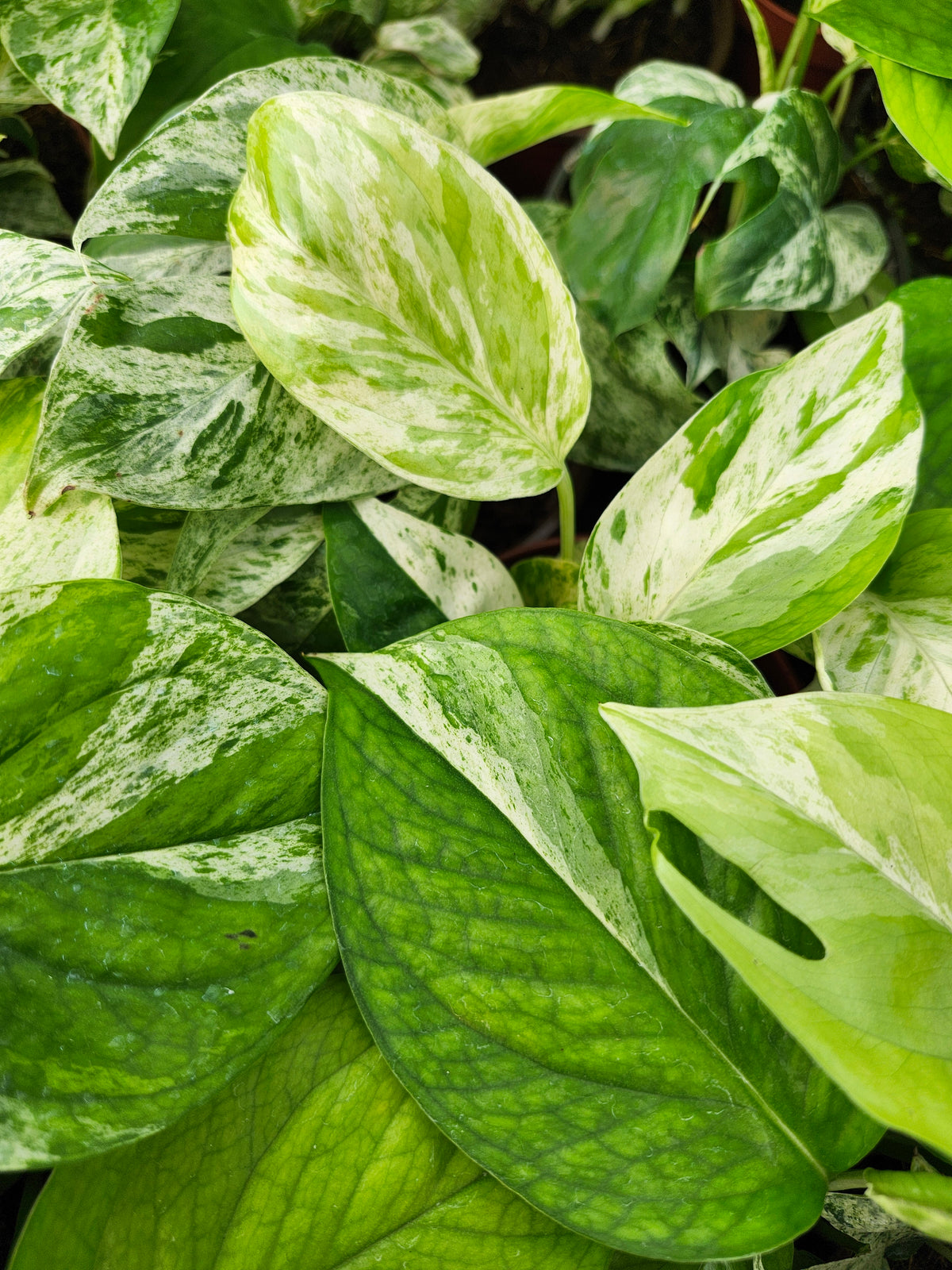
You may know some Epipremnum varieties by names like Cebu Blue, Golden Pothos, or Marble Queen. They come in different colors, shapes, and patterns, so there's something for just about every plant collection.
Another great thing about Epipremnum is that you don't need to be an expert to grow one. With the right light, proper watering, and a good potting mix, you can keep your plant healthy and encourage new growth.
In this Epipremnum care guide, we'll cover everything you need to know, including watering, lighting, soil, humidity, propagation, and how to fix common plant problems.
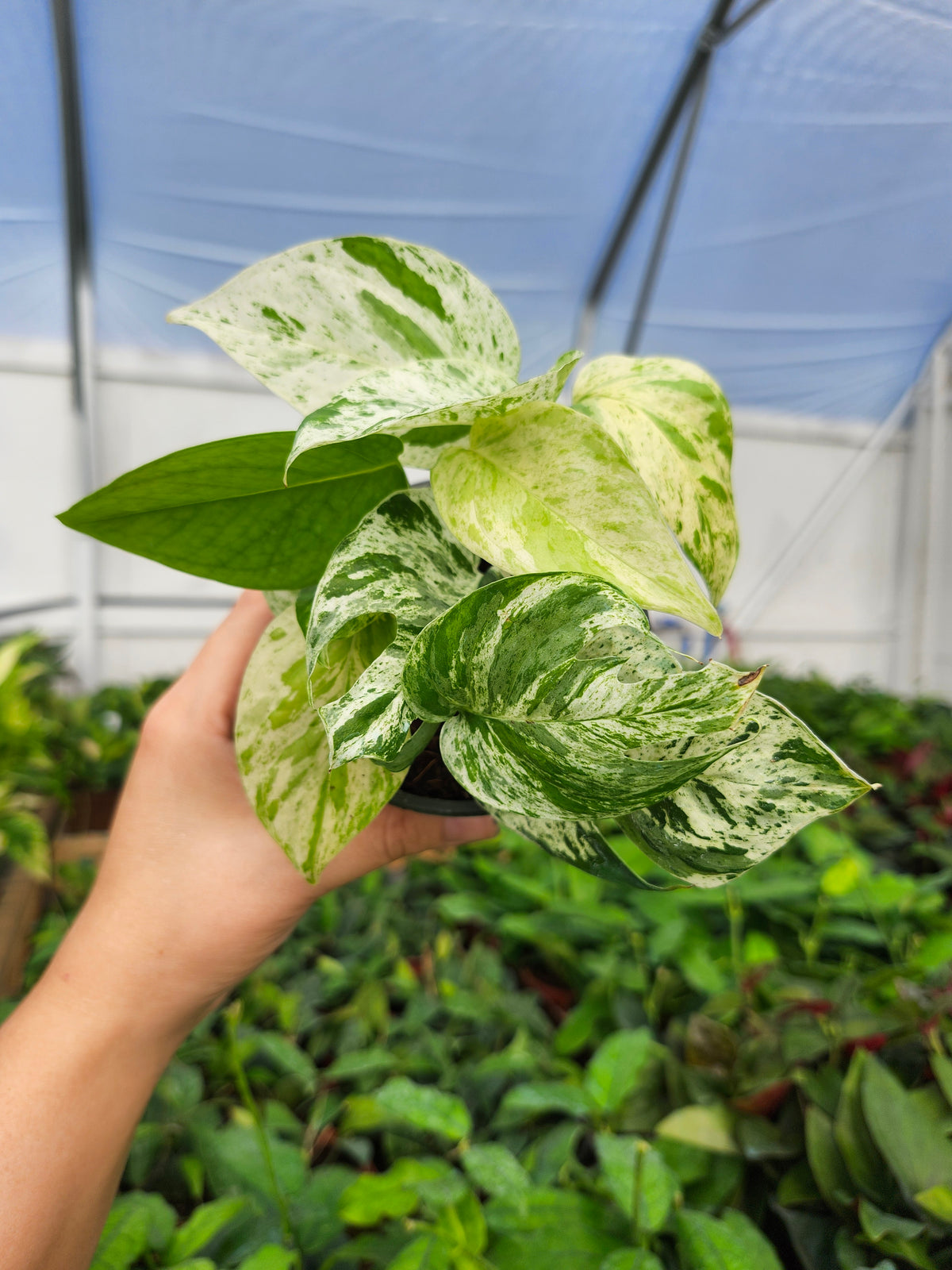
What Is Epipremnum?
Epipremnum is a genus of tropical plants in the Araceae family. In nature, these plants grow in warm environments and climb trees and other surfaces using their aerial roots.
At home, you can grow Epipremnum in a hanging basket, let it trail from a shelf, or give it a support to climb. Some varieties have solid green leaves, while others feature silver-blue tones, yellow coloring, or white variegation.
Here are a few popular varieties:
- Epipremnum aureum: Includes Golden Pothos, Marble Queen, and Manjula.
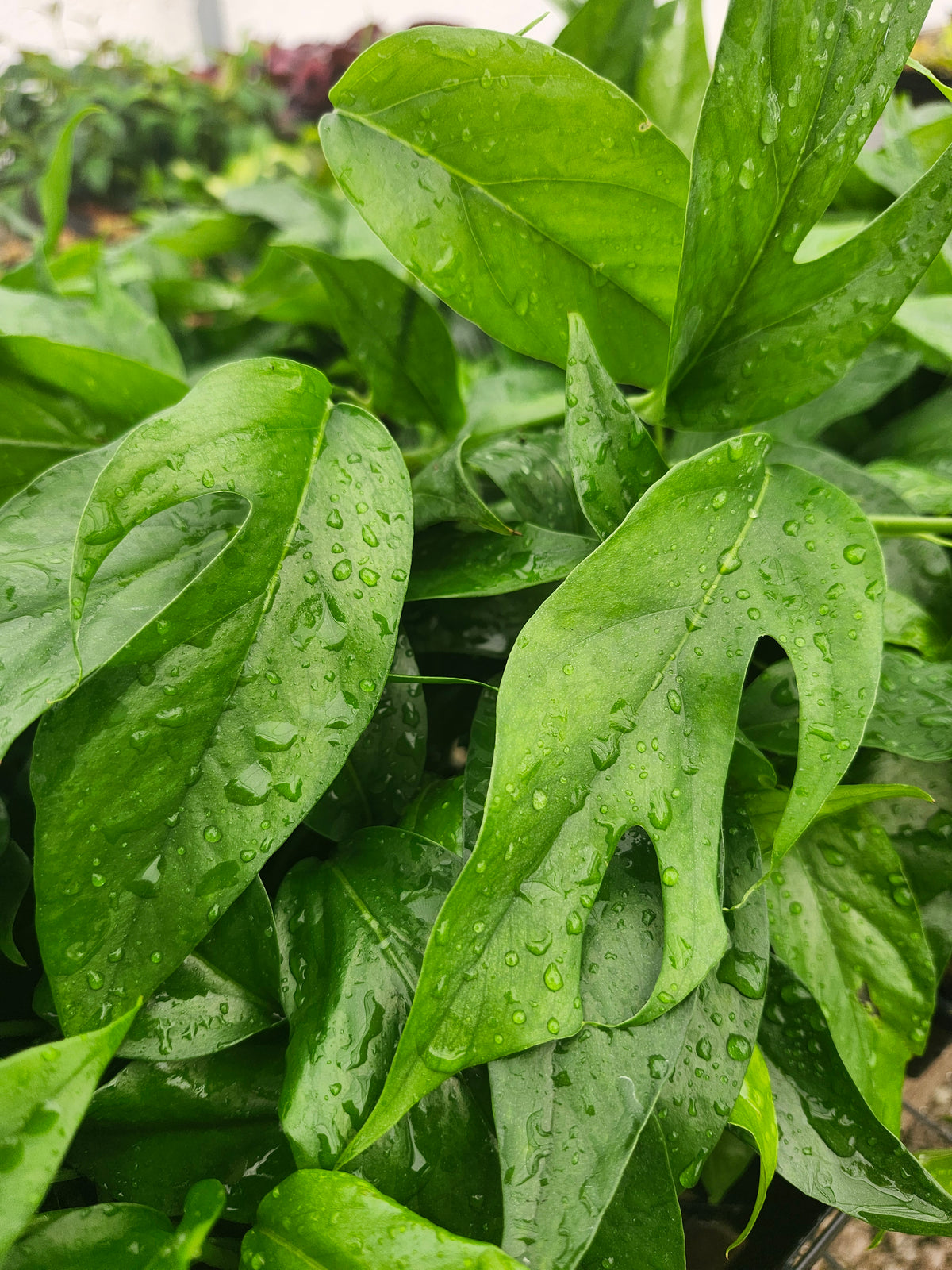
- Epipremnum pinnatum: Known for its long leaves, which can develop splits as the plant matures.
- Epipremnum pinnatum 'Cebu Blue': Has blue-green leaves with a silvery sheen.
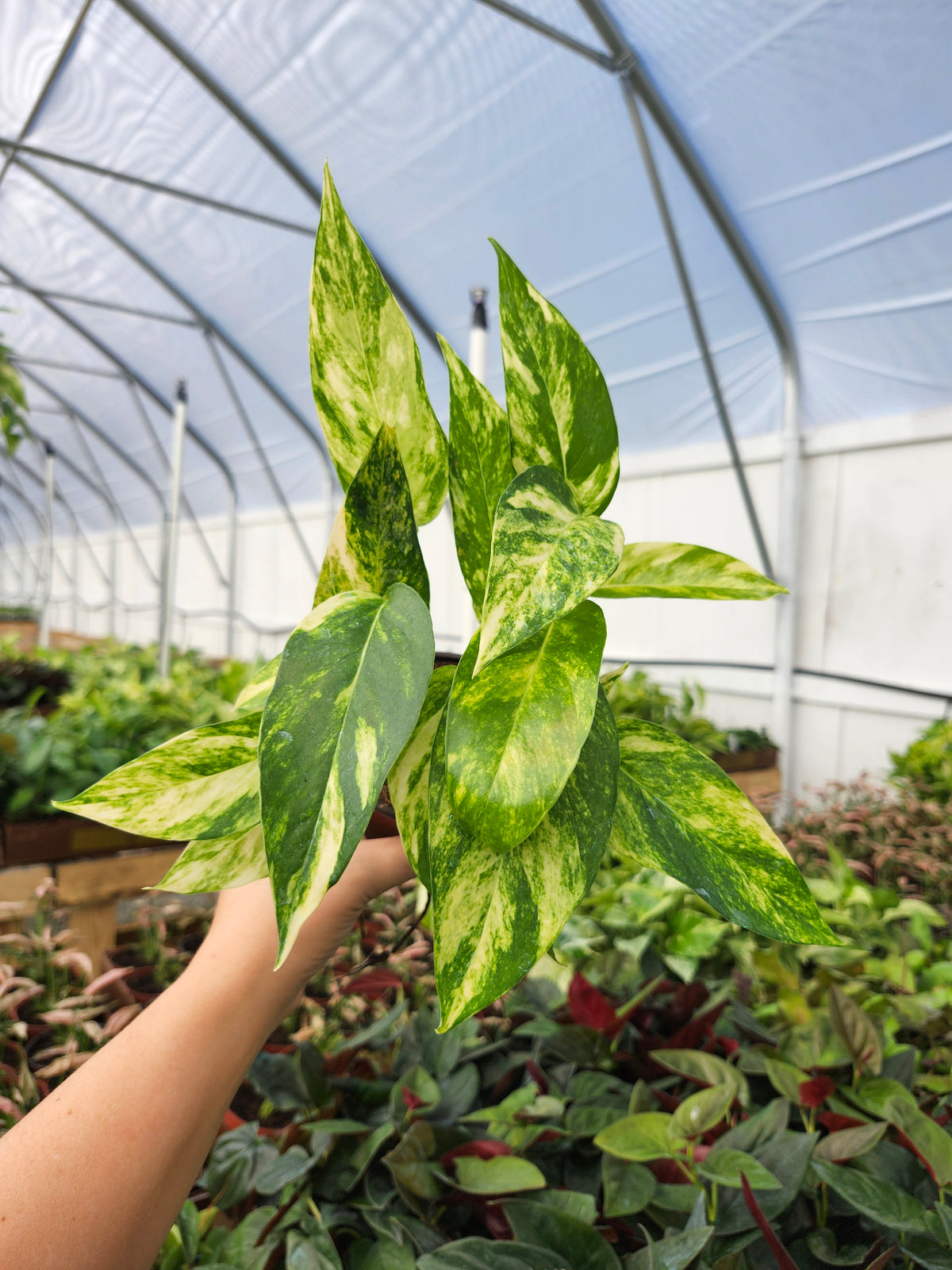
- Epipremnum pinnatum 'Albo Variegata': Features green leaves with white variegation.
- Epipremnum amplissimum: Known for its long, narrow, silvery-green leaves.
Most Epipremnum varieties have similar care needs, making them a good option for beginners and experienced plant collectors.

Epipremnum Care at a Glance
Here's a quick look at what your plant needs:
- Light: Bright, indirect light
- Water: Water when the top 1–2 inches of soil are dry
- Humidity: Average household humidity is usually fine
- Temperature: 65–80°F
- Soil: Loose, well-draining potting mix
- Fertilizer: Balanced houseplant fertilizer during spring and summer
- Growth: Trailing or climbing
Let's look at how to keep your Epipremnum happy and growing well.
1. How Much Light Does Epipremnum Need?
Epipremnum grows best in bright, indirect light. A spot near a window is usually a good choice, as long as the leaves are protected from strong, direct sunlight.
These plants can tolerate lower light, but they may grow more slowly and produce smaller leaves. You might also notice longer stems with fewer leaves.
Variegated varieties, such as Marble Queen and Albo Variegata, generally need plenty of indirect light to maintain their leaf patterns.
Too much direct sunlight can burn the leaves, leaving brown or faded patches.
Grower tip: If your plant isn't growing much, try moving it to a brighter spot. If your home doesn't get much natural light, a grow light can help.
2. How Often Should You Water Epipremnum?
Watering your Epipremnum is pretty simple once you learn what to look for. These plants like some moisture, but they don't like sitting in wet soil.
Instead of watering on a set schedule, check the soil first.
Stick your finger about 1–2 inches into the potting mix. If it feels dry, it's usually time to water. If it's still damp, wait a little longer.
When watering, follow these steps:
- Water the soil until excess water drains from the bottom of the pot.
- Let the pot drain completely.
- Empty any water left in the saucer.
- Check the soil again before watering next time.
How often you water will depend on the time of year, the amount of light your plant receives, and how quickly the soil dries out.

Signs of Overwatering and Underwatering
Overwatering: Yellow leaves, constantly wet soil, and soft or dark roots can be signs of too much water. Make sure your pot has drainage holes and your soil isn't staying wet for too long.
Underwatering: Drooping leaves and very dry soil may mean your plant needs a drink. Water thoroughly and let the excess drain.
If your plant looks unhappy, always check the soil before adding more water. Too much and too little water can sometimes cause similar symptoms.

3. What Temperature Is Best for Epipremnum?
Epipremnum prefers warm temperatures and usually does well in a typical home. Aim for temperatures between 65–80°F for healthy growth.
Keep your plant away from cold drafts, chilly windows, and air-conditioning vents that blow directly onto the leaves.
If you grow Epipremnum outdoors in a warm climate, choose a sheltered spot with bright, filtered light. Protect it from cold weather and heavy rain that can leave the soil too wet.
4. Does Epipremnum Need High Humidity?
Epipremnum is a tropical plant, but most varieties do well in average household humidity. You don't need a greenhouse to keep one healthy.
Humidity around 40–60% is generally suitable for indoor growing. Higher humidity can help support healthy growth, especially in a warm room with good lighting.
If your home is very dry, you may notice brown leaf edges. A humidifier can help if you grow several tropical plants.
Misting isn't necessary because it only raises humidity for a short time. Consistent watering, good light, and proper airflow are more helpful for keeping your plant healthy.
5. What Is the Best Soil for Epipremnum?
The best soil for Epipremnum is a loose potting mix that drains well but still holds some moisture.
Regular houseplant soil can work, but adding a few extra materials can improve airflow around the roots.
Try mixing:
- One part houseplant potting mix
- One part perlite or pumice
- One part orchid bark
This mix helps prevent the soil from becoming too heavy or staying wet for too long.
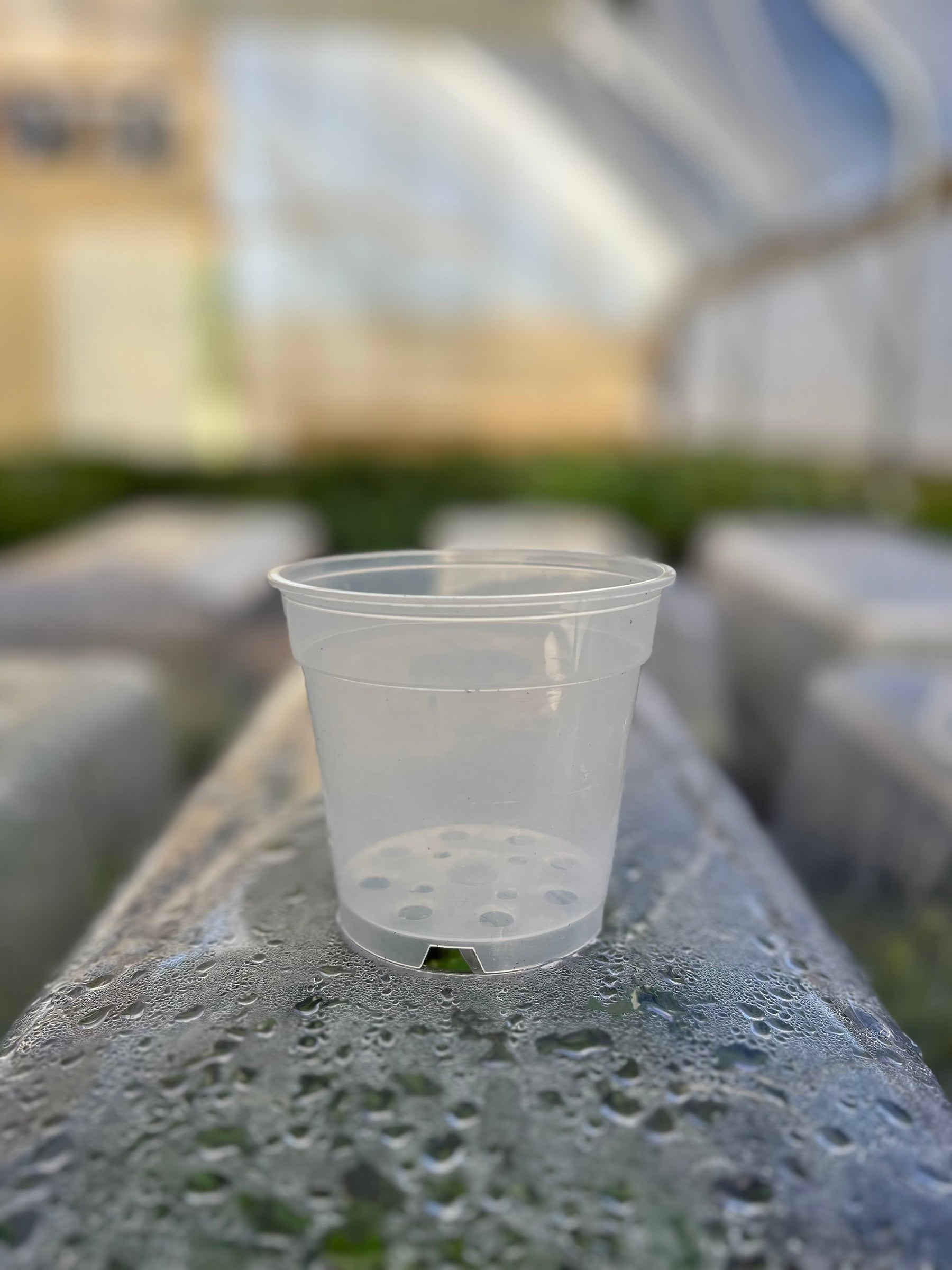
Always use a pot with drainage holes. Without proper drainage, excess water can collect around the roots and cause root rot.


6. How to Fertilize Epipremnum
Fertilizer can help your Epipremnum produce healthy leaves and new growth during the growing season.
In spring and summer, use a balanced liquid houseplant fertilizer according to the package directions. If you're new to fertilizing, start with a diluted amount to avoid overfeeding.
You don't need to fertilize every time you water. A regular feeding routine during active growth is usually enough.
When growth slows in fall and winter, reduce or stop fertilizing until the plant starts growing more actively again.
If your plant isn't growing well, check its lighting, watering, and roots before adding more fertilizer. Extra nutrients won't fix problems caused by poor growing conditions.

7. How to Grow Bigger Leaves on Epipremnum
Watching your plant produce bigger leaves is one of the fun parts of growing Epipremnum. Some climbing varieties develop larger leaves and splits as they mature.
If you want to encourage bigger leaves, start with these simple tips.
Give it enough light. Bright, indirect light helps your plant grow strong and produce healthy new leaves.
Give it something to climb. A moss pole, coir pole, or trellis can support climbing varieties as they grow.
Keep up with basic care. Proper watering, well-draining soil, and occasional fertilizer during the growing season all help support healthy growth.
Be patient. Larger, more mature leaves take time to develop. Your plant may need several growth cycles before you notice a difference.
Keep in mind that not every Epipremnum variety develops split leaves. The size and shape of the foliage depend on the variety and growing conditions.
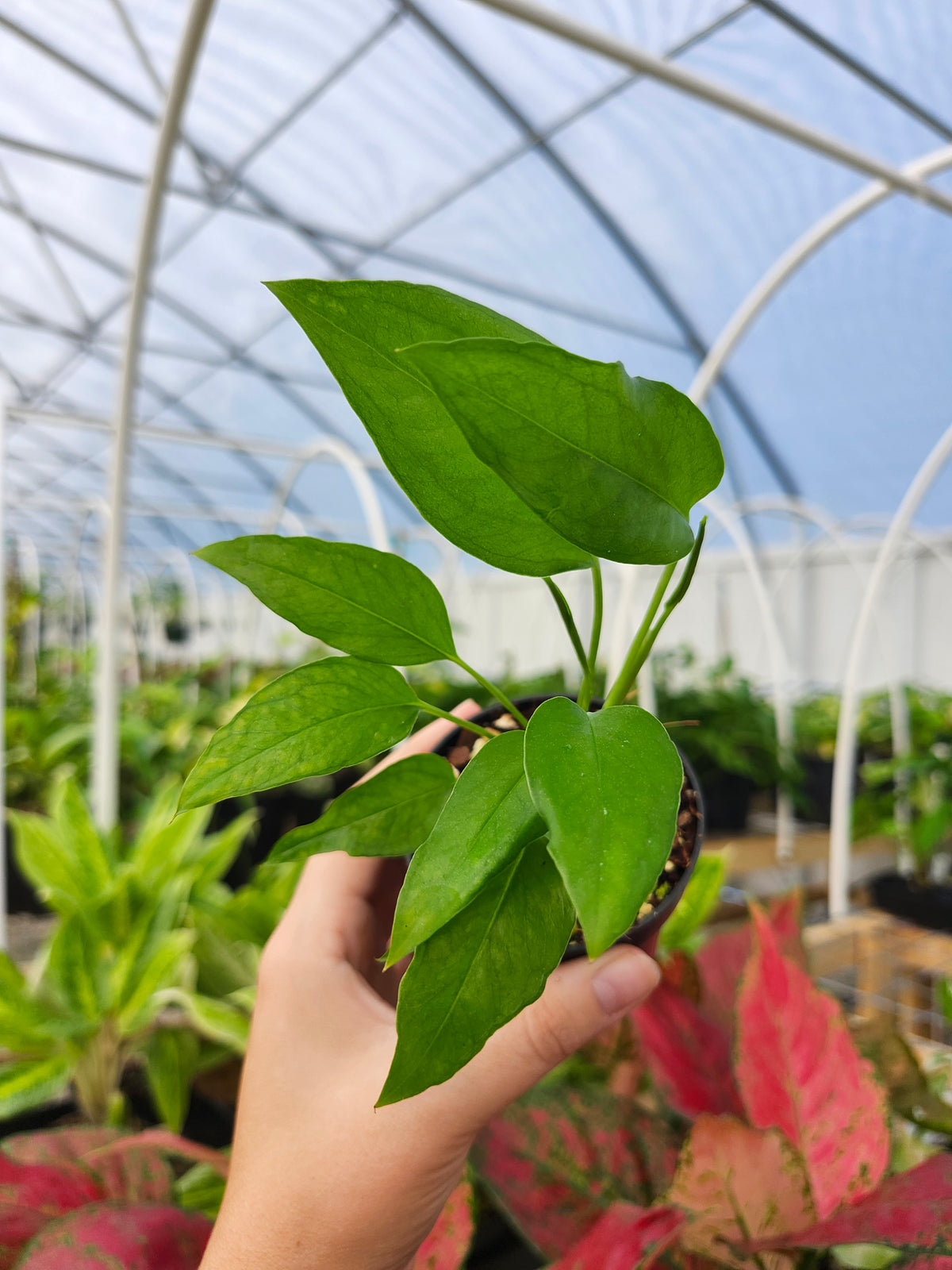
8. How to Propagate Epipremnum
Want more plants without buying another one? Epipremnum is easy to propagate from stem cuttings.
You can root cuttings in water or directly in potting mix. Water propagation is a popular choice because you can watch the roots grow.
Propagating Epipremnum in Water
Step 1: Choose a healthy stem.
Find a healthy section of the plant with at least one node. A node is the spot on the stem where a leaf grows. This is where new roots can develop.
Step 2: Take your cutting.
Use clean scissors to cut just below a node. Make sure your cutting includes a node, because a leaf without one won't grow into a new plant.
Step 3: Place it in water.
Put the cutting in a clean container with the node under the water. Keep the leaf above the waterline.
Step 4: Give it light.
Place the container somewhere warm with bright, indirect light. Change the water when it becomes cloudy.
Step 5: Plant it in soil.
Once the roots have developed enough to support the cutting, move it into a pot with well-draining soil. Keep the soil lightly moist while the roots adjust.
You can also root cuttings directly in a suitable potting mix. Either method can work well with the right care.
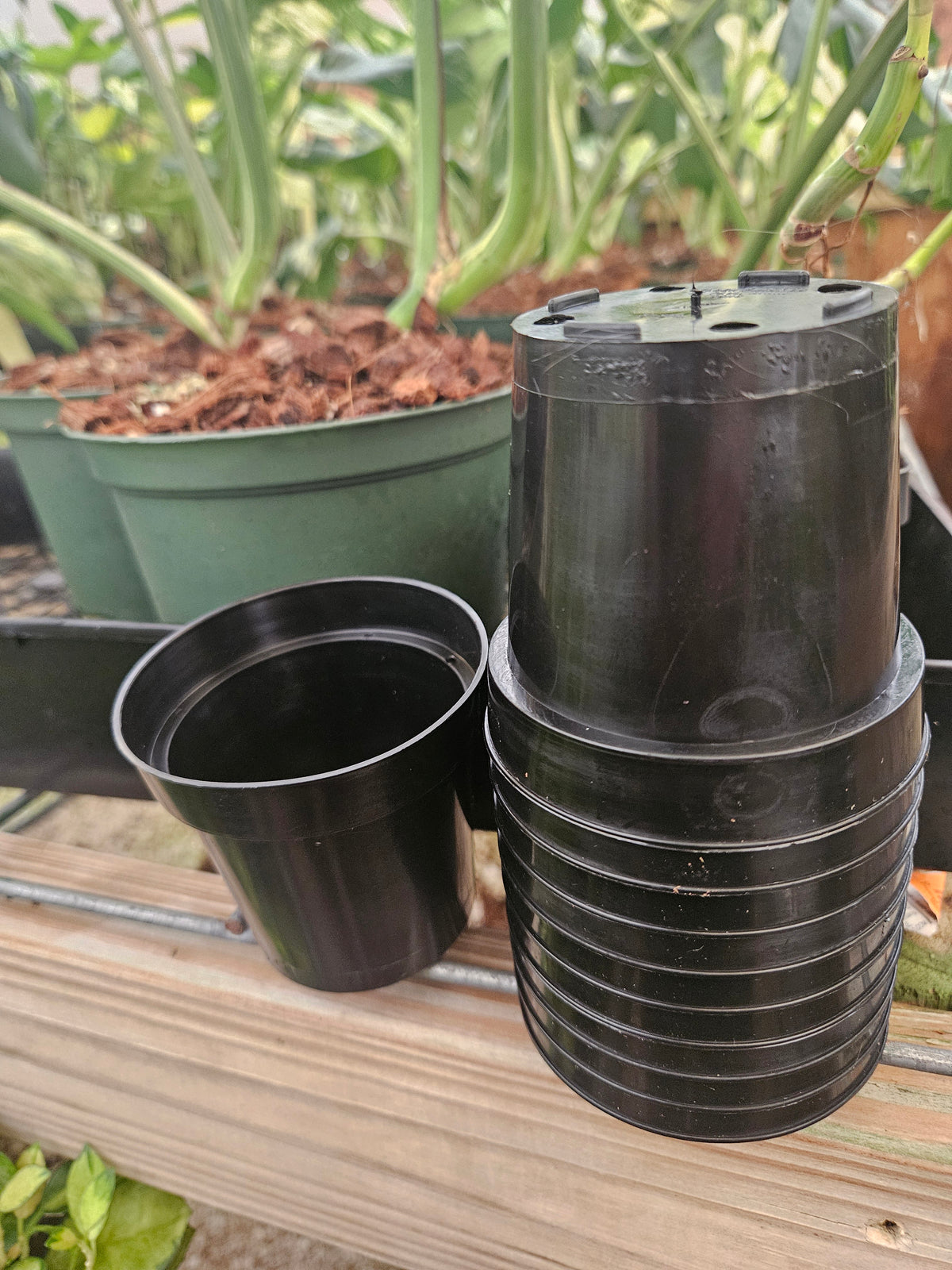
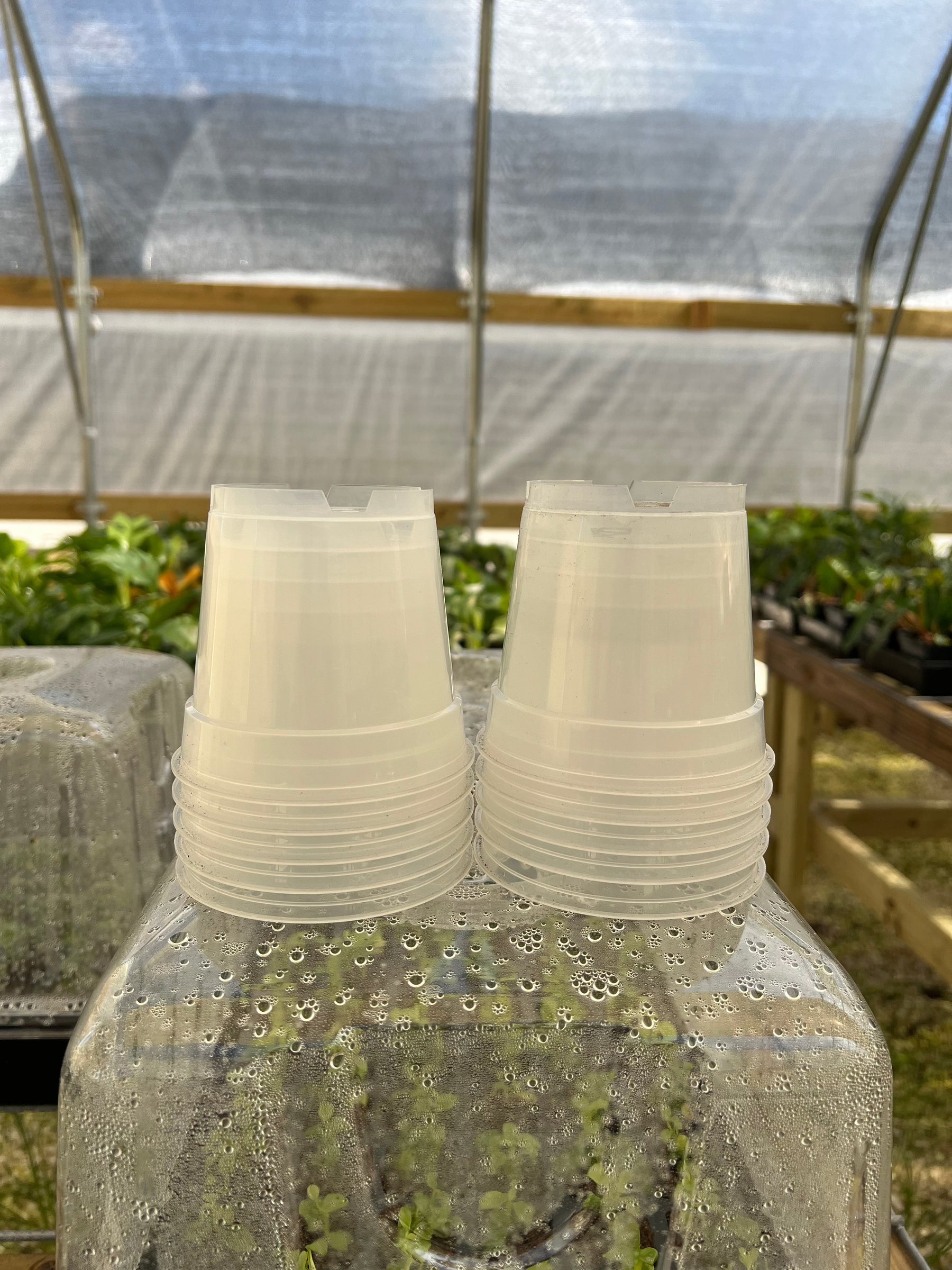
9. When Should You Repot Epipremnum?
Epipremnum doesn't need to be repotted very often. You can usually wait until the roots begin to outgrow the pot.
Signs it's time to repot include:
- Roots growing out of the drainage holes.
- A tightly packed root ball.
- Soil that dries out much faster than usual.
Spring and summer are good times to repot because the plant is more likely to be actively growing.
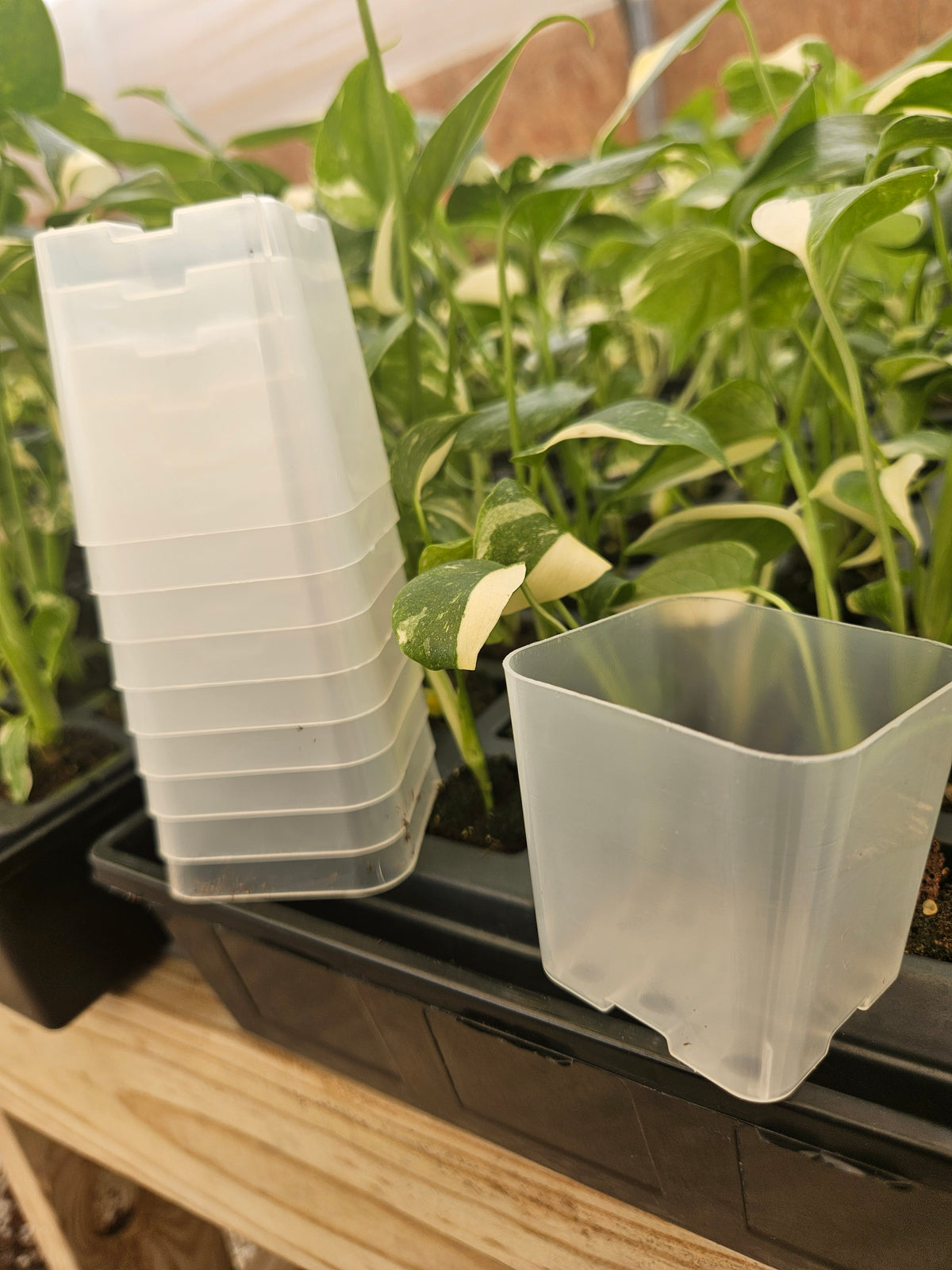
Choose a pot just one size larger than the current one. A pot that's too big can hold too much moisture and make watering more difficult.
Move your plant into fresh, well-draining soil, water it thoroughly, and let the excess drain. Give it time to adjust to its new pot.

10. Common Epipremnum Problems and How to Fix Them
Even easy-care houseplants can run into problems. Here's what to look for and how to help your plant.
Yellow Leaves
Yellow leaves can be caused by overwatering, underwatering, or insufficient light. Older leaves may also turn yellow naturally.
Check the soil first. If it's staying wet for too long, review your watering routine. If it's very dry, give the plant a thorough watering.
Brown Leaf Tips
Brown, crispy edges can happen when the soil gets too dry, the plant receives too much direct sunlight, or fertilizer builds up in the soil.
Check your watering routine and move the plant away from harsh direct sunlight if needed.
Long, Leggy Stems
Long stems with lots of space between the leaves often mean your plant needs more light.
Move it to a brighter location with indirect sunlight. You can also trim the stems to encourage a fuller look and use the cuttings to grow new plants.
Slow Growth
Growth naturally slows during fall and winter. If your plant isn't growing much during spring or summer, check its lighting, temperature, and soil.
Make sure it's getting what it needs before adding extra fertilizer.
Small Leaves
Small leaves can be normal on young plants. However, climbing varieties may produce smaller leaves if they aren't getting enough light or support.
Try giving your plant brighter indirect light and a support to climb.
11. Common Pests on Epipremnum
Epipremnum can occasionally attract houseplant pests, including spider mites, mealybugs, thrips, and scale insects.
Check the undersides of the leaves and around the stems for tiny insects, fine webbing, sticky spots, or unusual leaf damage.
If you find pests, move the plant away from your other houseplants while treating it. Use a product labeled for the pest and follow the directions carefully.
Check the plant regularly after treatment, as some pests require more than one application.
It's also a good idea to inspect new plants before adding them to your collection.
12. Is Epipremnum Toxic to Cats and Dogs?
Yes, Epipremnum is toxic to cats and dogs if chewed or swallowed. The plant contains calcium oxalate crystals that can irritate the mouth and digestive tract.
Keep your plant somewhere pets and small children cannot easily reach. If you think your pet has eaten part of the plant, contact your veterinarian for advice.
Frequently Asked Questions About Epipremnum Care
Is Epipremnum easy to grow?
Yes! Most Epipremnum varieties are easy-care houseplants. Give them bright, indirect light, water when the soil begins to dry, and use a well-draining potting mix.
How often should I water Epipremnum?
Check the top 1–2 inches of soil before watering. If it's dry, water thoroughly and let the excess drain. Your plant may need more frequent watering in warm, bright conditions.
Can Epipremnum grow indoors?
Yes. Epipremnum grows well indoors and can trail from shelves or hanging baskets. Climbing varieties can also grow on a moss pole or trellis.
Why are my Epipremnum leaves turning yellow?
Yellow leaves may be caused by overwatering, underwatering, or poor lighting. Check the soil first to help identify the problem.
How do I propagate Epipremnum?
Take a stem cutting that includes at least one node. Place it in water or a suitable growing medium until roots develop, then continue growing it in the appropriate conditions.
Does Epipremnum need a moss pole?
No, a moss pole isn't required. However, it can help climbing varieties grow upward and may encourage larger, more mature leaves over time.
Final Thoughts on Epipremnum Care
Epipremnum is a great choice if you want a tropical houseplant that's easy to grow and doesn't require a lot of attention.
Give it bright, indirect light, water when the soil begins to dry, and use a well-draining potting mix. If you want bigger leaves, try giving a climbing variety a moss pole or trellis.
If your plant gets too long, trim the stems and use the cuttings to grow more plants. With a little patience, you can enjoy healthy vines and beautiful foliage for years to come.
Ready to add another plant to your collection? Explore Orange Lake Nursery to find more tropical plants for your indoor jungle.


Leave a comment