
Overwatering vs Underwatering: How to Tell the Difference 🌿💧
One of the most common questions new plant owners ask is, "Am I giving my plant too much water or not enough?"
The tricky part is that overwatered and underwatered plants can look very similar. Yellow leaves, drooping stems, slow growth, and even leaf drop can happen in both situations. That's why it's important to know what signs to look for before reaching for the watering can. 🌱
If you've ever been unsure whether your houseplant is thirsty or drowning, this guide will help you learn the difference and keep your plants healthy.

Why Watering Matters 💧
Water is essential for plant growth, but more isn't always better.
When a plant doesn't get enough water, it can't support healthy leaves and growth. When it gets too much water, the roots can become stressed and may eventually rot.
Finding the right balance is one of the most important parts of successful houseplant care.
Signs of an Underwatered Plant 🌵
Underwatered plants are simply not getting enough moisture to support healthy growth.
Here are some common signs:
- Dry Soil-The easiest clue is the soil itself. If the soil feels dry several inches down and the pot feels light, your plant likely needs water.
- Drooping Leaves- A thirsty plant often looks limp and wilted because it has lost moisture.
-
Brown, Crispy Edges-Dry, crunchy leaf tips and edges are a common sign that a plant has gone too long without water.

- Curling Leaves - Many tropical plants curl their leaves inward to help conserve moisture.
- Slow Growth - If your plant isn't producing new leaves during the growing season, underwatering may be the cause.
Signs of an Overwatered Plant 🌧️
Overwatering is one of the most common reasons houseplants struggle.
Many people think they're helping their plants by watering frequently, but roots also need oxygen to stay healthy.
Soil That Stays Wet
- If the soil is still wet days after watering, your plant may be getting too much water.

Yellow Leaves
- Yellowing leaves are often one of the first signs of overwatering.
Drooping Leaves
- Just like underwatering, overwatering can cause leaves to droop.
- The difference is that the soil will still be wet.
Soft or Mushy Leaves
- Overwatered leaves often feel soft and limp rather than dry and crispy.
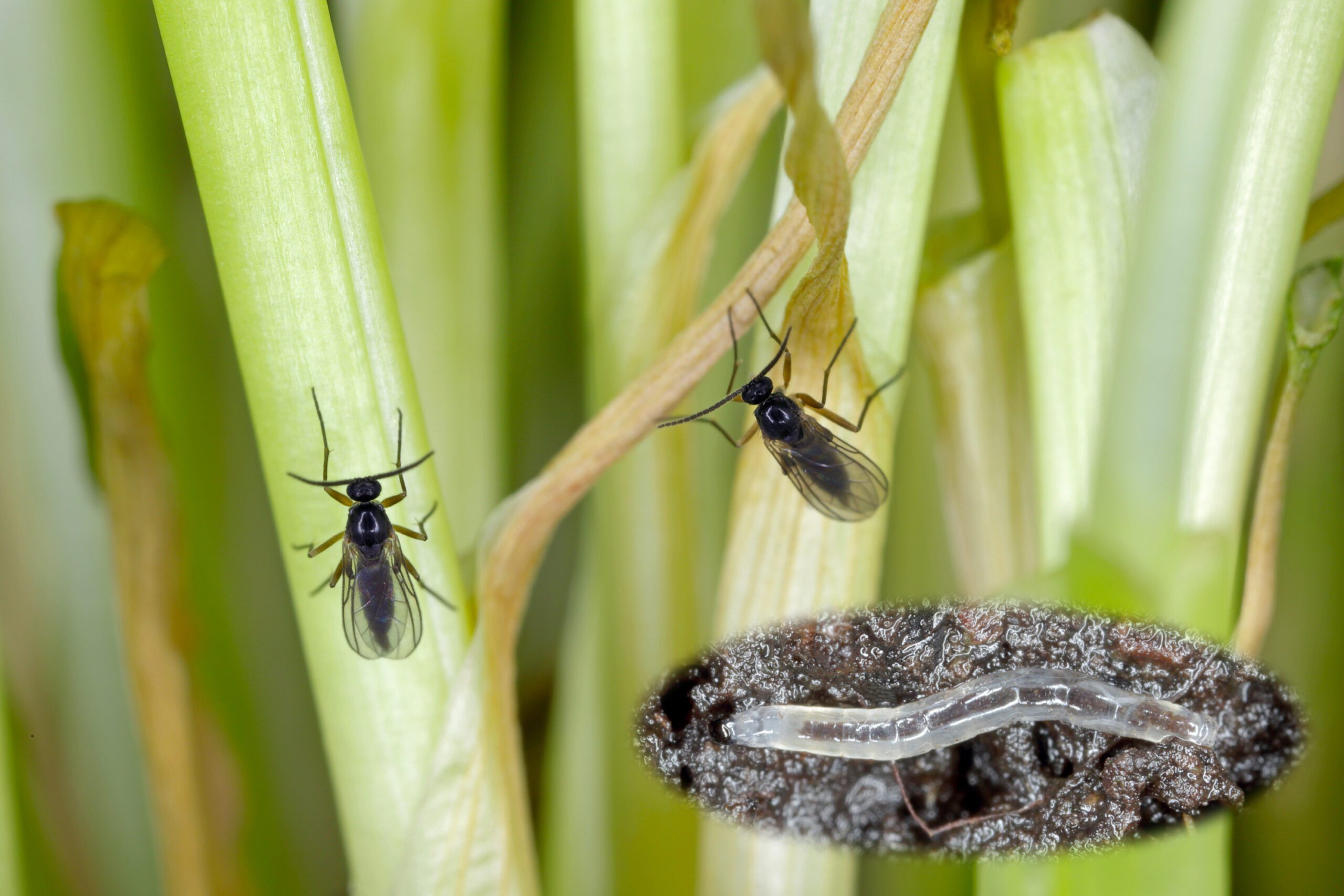
- Tiny black flies around your plant can be a sign that the soil is staying too wet.
The Easiest Way to Tell the Difference 🔍
If you're unsure whether your plant is overwatered or underwatered, check the soil first.
- Dry soil + crispy leaves = underwatering
- Wet soil + yellow, soft leaves = overwatering
The leaves can be misleading, but the soil usually tells the real story.

How to Fix an Underwatered Plant 🌱
If your plant is underwatered:
- Water thoroughly until water drains from the bottom of the pot.
- Make sure the soil absorbs the water evenly.
- Check the soil more often, especially during warmer months.
Most underwatered plants bounce back fairly quickly once they receive enough moisture.

How to Fix an Overwatered Plant 🪴
If your plant is overwatered:
- Stop watering until the soil begins to dry.
- Make sure the pot has drainage holes.
- Remove any standing water from saucers or decorative pots.
- If root rot is present, repot the plant into fresh soil.
Recovery may take a little longer, but many plants can recover when caught early.

Tips to Prevent Watering Problems ✅
The best way to avoid watering issues is to check the soil before watering.
A few simple tips:
- Don't water on a strict schedule.
- Always check soil moisture first.
- Use pots with drainage holes.
- Choose a well-draining potting mix.
- Adjust watering based on the season and light conditions.
Every plant is different, and watering needs can change throughout the year.

Final Thoughts 🌿
Learning the difference between overwatering and underwatering takes a little practice, but it becomes much easier once you know what to look for.
When in doubt, check the soil before doing anything else.
Dry soil usually means your plant needs water. Wet soil often means it's time to hold off.
By paying attention to both your plant and its soil, you'll be able to avoid common watering mistakes and keep your houseplants thriving for years to come. 🌱✨


Leave a comment