
What Is Tissue Culture and How It Shapes the Plant Market
If you’ve noticed rare plants becoming more accessible or once-unattainable varieties suddenly showing up on nursery shelves, tissue culture is likely the reason. Tissue culture has quietly reshaped the plant market, changing how plants are propagated, distributed, and collected.
While it is sometimes misunderstood or viewed with skepticism, tissue culture is simply a propagation method. Like any method, it comes with both benefits and trade-offs. Understanding how it works helps growers and collectors make informed decisions and set realistic expectations.

What Is Tissue Culture in Plants?
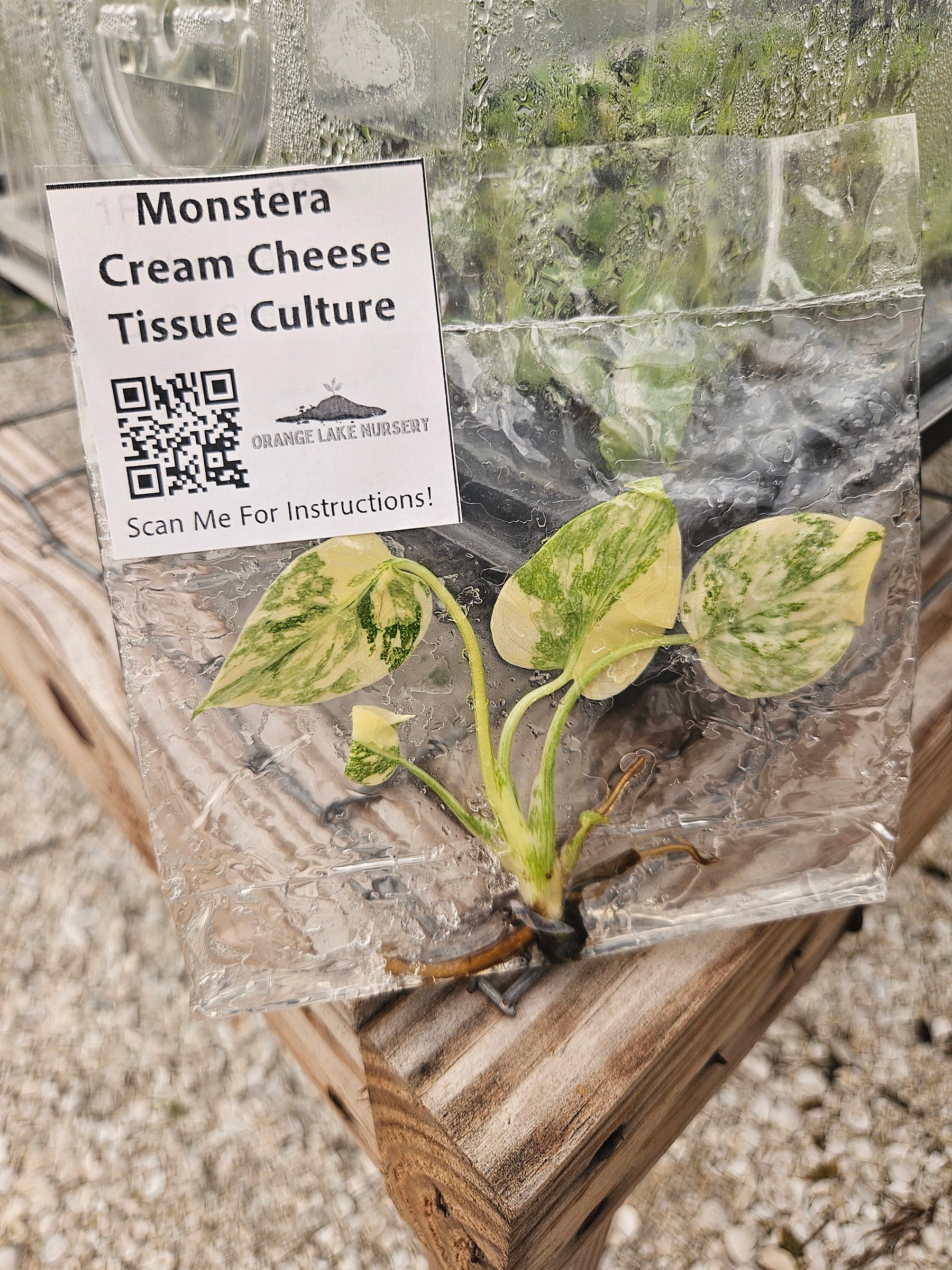
Tissue culture, also called micropropagation, is a technique where plants are grown from small pieces of tissue in a sterile laboratory environment. These tissue samples are placed in nutrient-rich media under controlled conditions, allowing them to develop into complete plants.
The tissue used can come from a leaf, stem, node, or growing point of a healthy mother plant. Because the environment is sterile and carefully regulated, the resulting plants are free from pests and disease at the earliest stages.
Once established, tissue-cultured plants are gradually acclimated to normal growing conditions before being grown out and sold.
Why Tissue Culture Is Used
Traditional propagation methods like cuttings, divisions, or seed can be slow, inconsistent, or limited by the availability of mature plants. Tissue culture allows growers to produce large numbers of plants efficiently while preserving desirable traits.
This is especially important for:
- Slow-growing plants
- Rare or highly sought-after varieties
- Plants that do not propagate reliably from cuttings
-
Variegated or mutation-prone plants
Pros of Tissue Culture in the Plant Market
Increased Accessibility
Tissue culture has made rare and collectible plants more widely available. Plants that were once limited to small collector circles are now accessible to home growers at more approachable prices.
Consistency in Traits
When tissue culture is done correctly, plants closely replicate the mother plant’s characteristics. This is particularly valuable for variegated plants, where stable patterns are difficult to maintain through traditional propagation.
Pest and Disease-Free Starts
Because tissue culture occurs in sterile environments, plants begin life without pests, fungi, or viruses. This gives them a cleaner start compared to many traditionally propagated plants.

Conservation Benefits
Tissue culture reduces pressure on wild plant populations. By producing plants in labs rather than collecting from natural habitats, it supports conservation efforts and sustainable plant trade.
Faster Production
Large numbers of plants can be produced in a shorter time frame compared to cuttings or divisions, helping meet market demand without exhausting stock plants.
Cons of Tissue Culture in the Plant Market
Acclimation Challenges
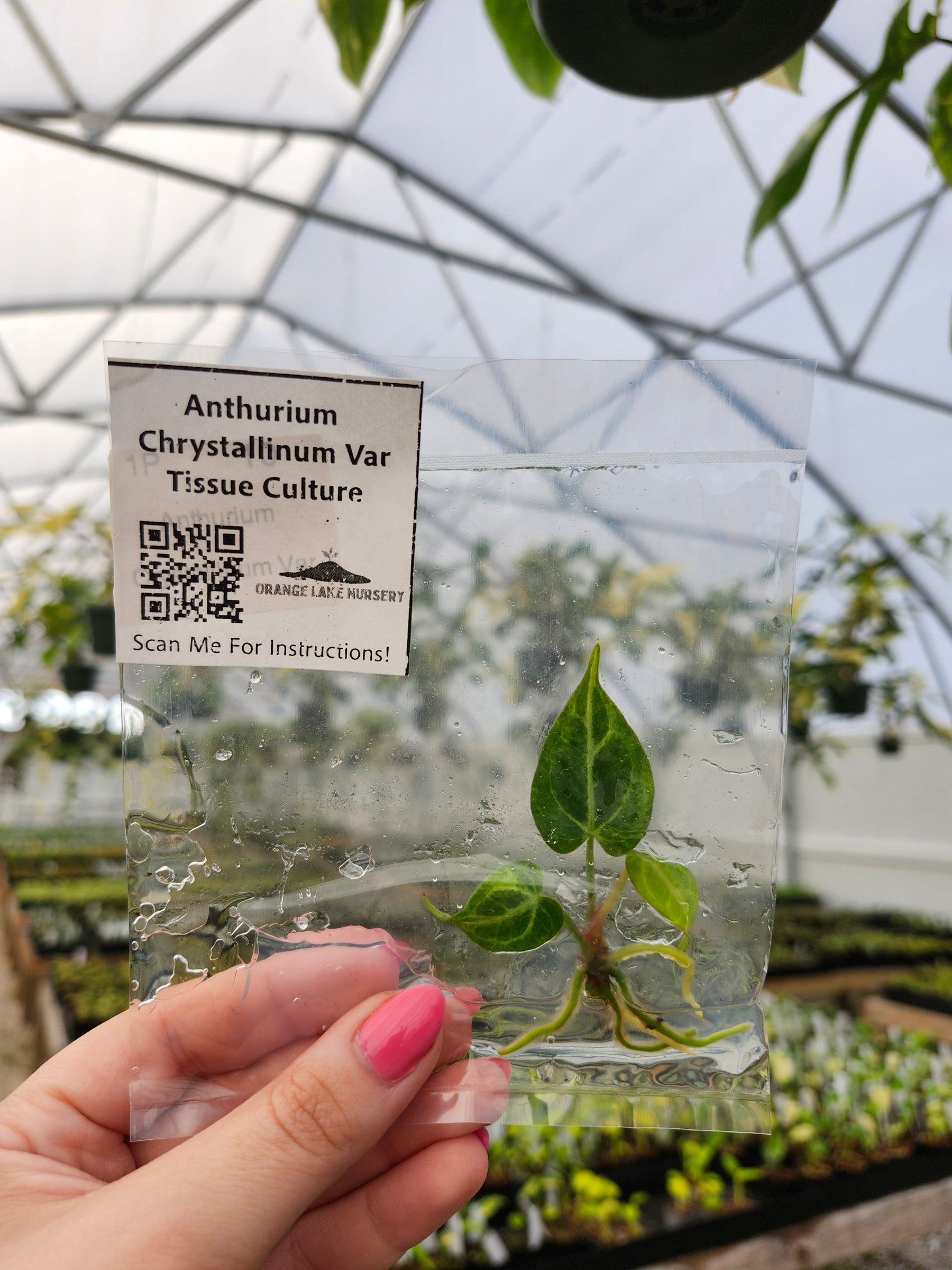
Tissue-cultured plants are raised in controlled, high-humidity environments. Transitioning to normal household conditions can be stressful if not done gradually. Poor acclimation is one of the most common reasons new plants struggle.
Variation Still Happens
While tissue culture increases consistency, it does not eliminate variation entirely. Especially with variegated plants, coloration can shift as plants mature, and not every specimen will look identical.
Smaller Starting Size
Tissue-cultured plants often enter the market at a younger or smaller stage. They may take longer to reach the size and fullness of plants grown from mature cuttings.
Misconceptions About Strength
Some growers assume tissue-cultured plants are weaker. In reality, they are simply younger and require appropriate care during establishment. Without proper lighting, watering, and patience, they can fail to thrive.
Market Saturation Concerns
As tissue culture increases availability, certain plants may lose their rarity-driven value. While this benefits accessibility, it can impact collector markets focused on exclusivity.
Tissue Culture vs Traditional Propagation
Tissue culture is not better or worse than traditional methods. It is different.
Traditional propagation:
- Produces mature plants faster from cuttings
- Often results in stronger immediate growth
-
Can carry pests or disease if stock plants are compromised
Tissue culture:
- Produces cleaner starts
- Requires patience during establishment
-
Expands access and supports sustainability
Both methods have a place in the plant world and often work best together.

What This Means for Home Growers
For plant owners, tissue culture means more choice, more affordability, and more opportunity to grow plants that were once out of reach. It also means understanding that young plants need time, stable care, and realistic expectations.
A tissue-cultured plant is not artificial, altered, or inferior. It is simply grown differently.
A Balanced Future for the Plant Market
Tissue culture has transformed the plant industry in lasting ways. It supports conservation, expands access, and allows growers to meet demand responsibly. At the same time, it challenges growers and buyers to learn proper acclimation and long-term care.
When combined with thoughtful cultivation and informed care, tissue culture strengthens the plant community rather than replacing tradition.
Plants grown with intention, regardless of method, always tell the best story. 🌱
You May Also Like:
-
Common Indoor Plant Pests – How To Handle Them With Confidence
-
What Is Tissue Culture? - Understanding Tissue Cultures
-
Acclimating Tissue Culture - The Quick Guide To Acclimating Tissue Culture with Orange Lake Nursery
-
Acclimating Your Tissue Culture - Steps to Acclimate Your Tissue Culture


Leave a comment